
Last updated October 31, 2026
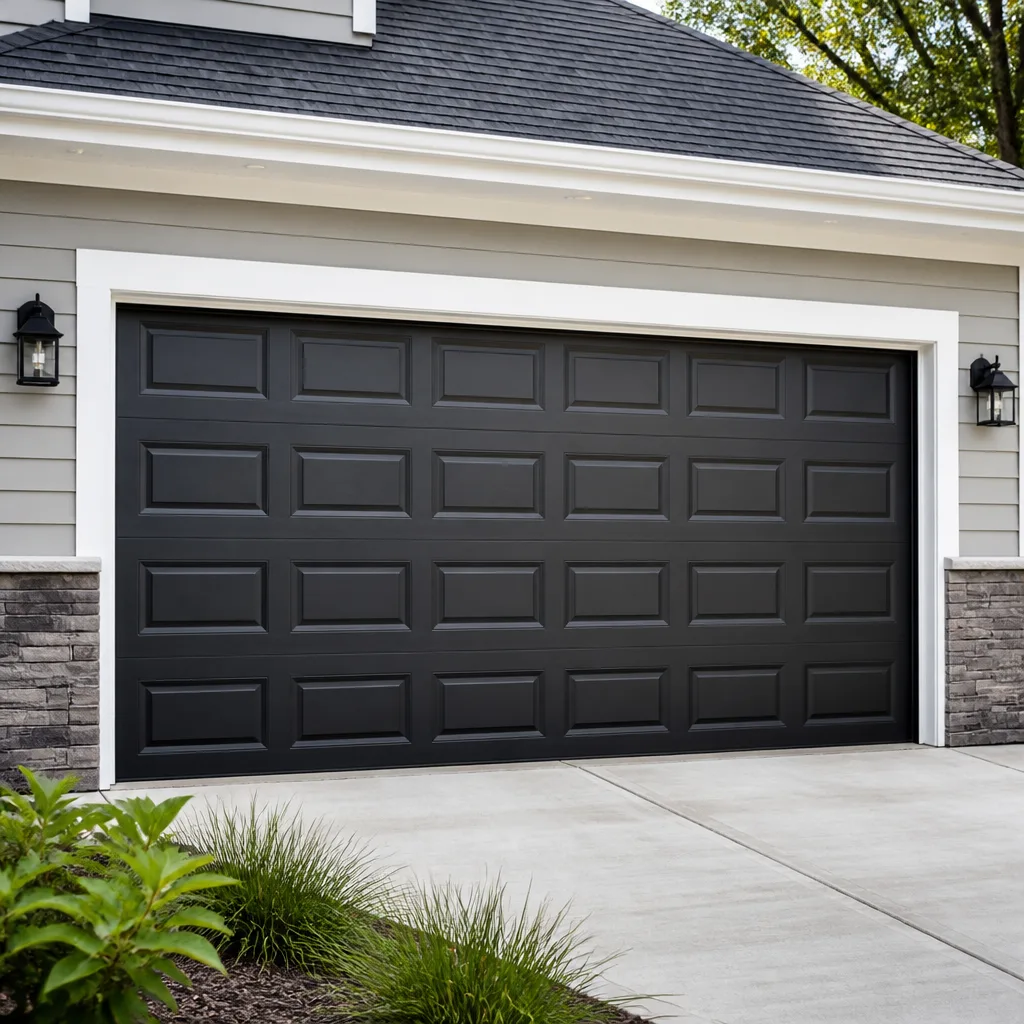 Raised-panel steel
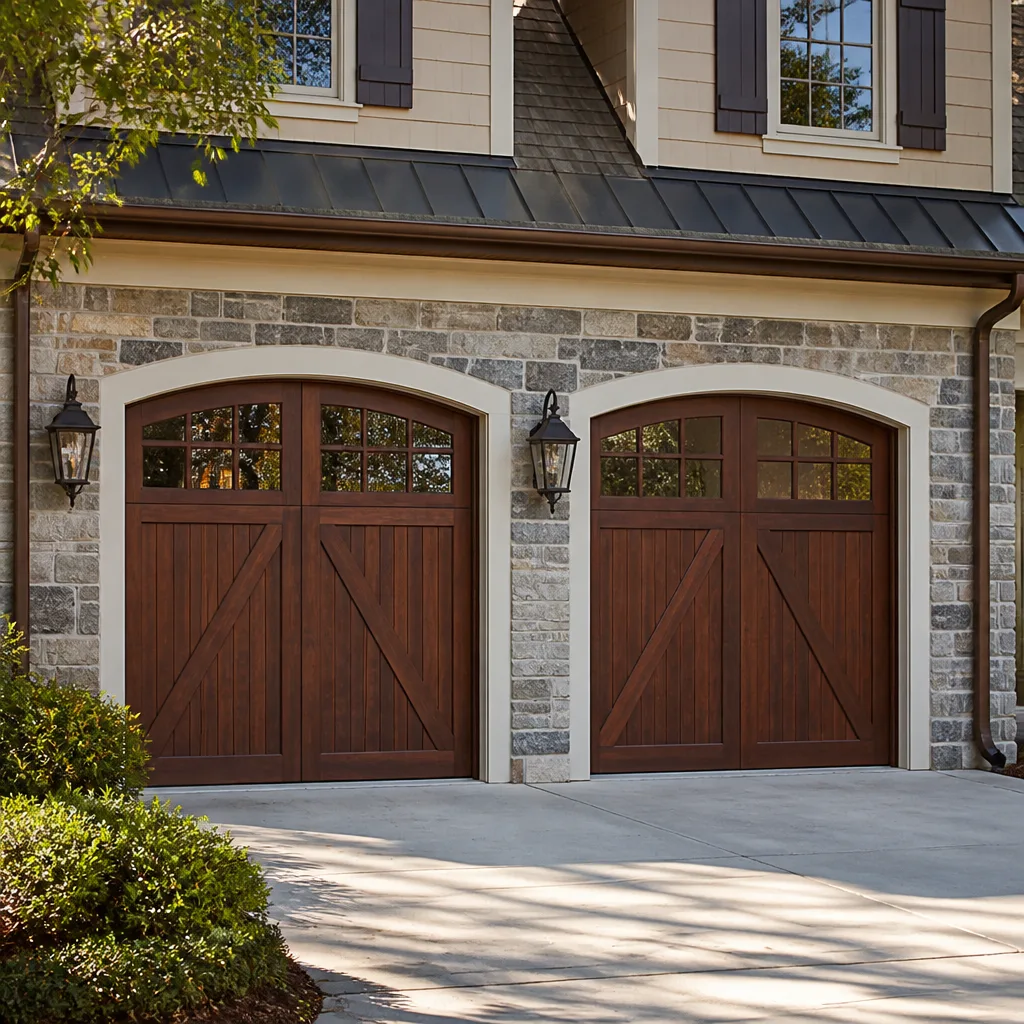 Carriage house
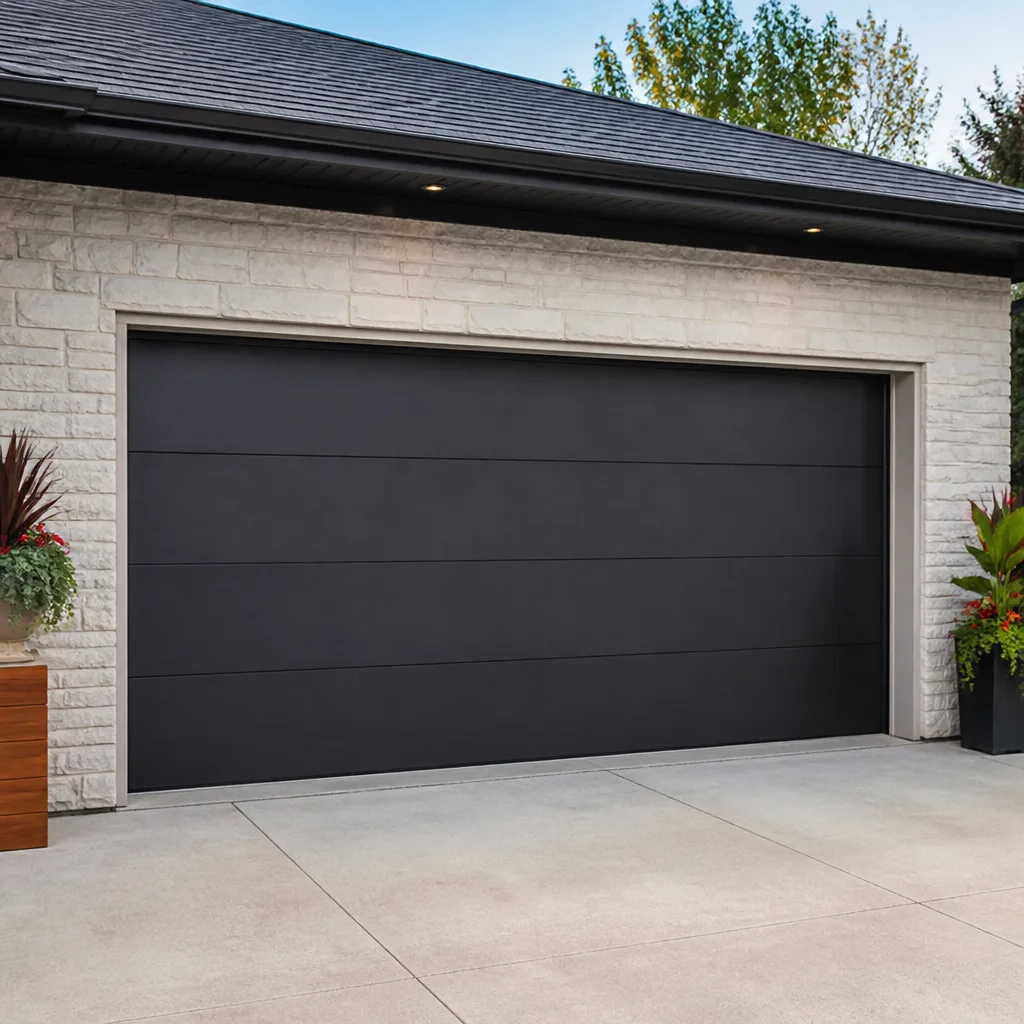 Modern flush
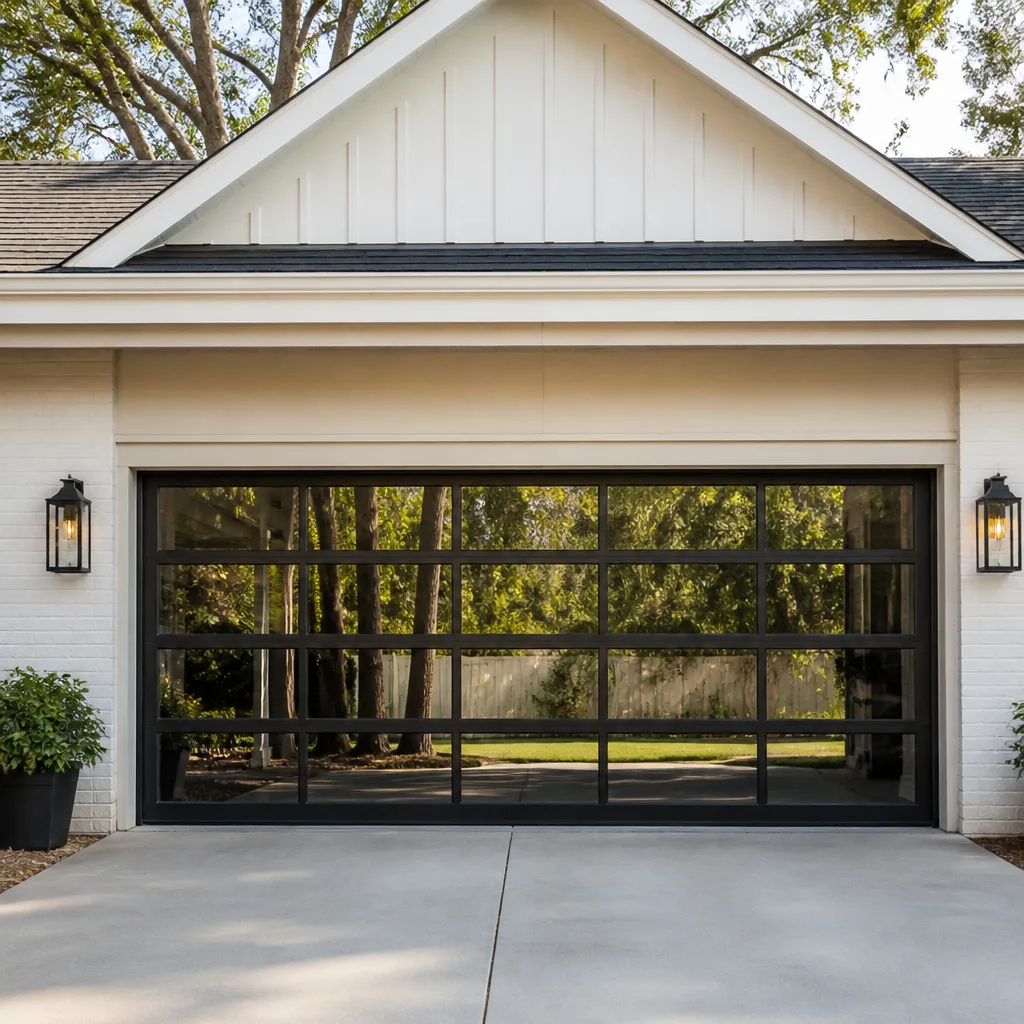 Full-view glass
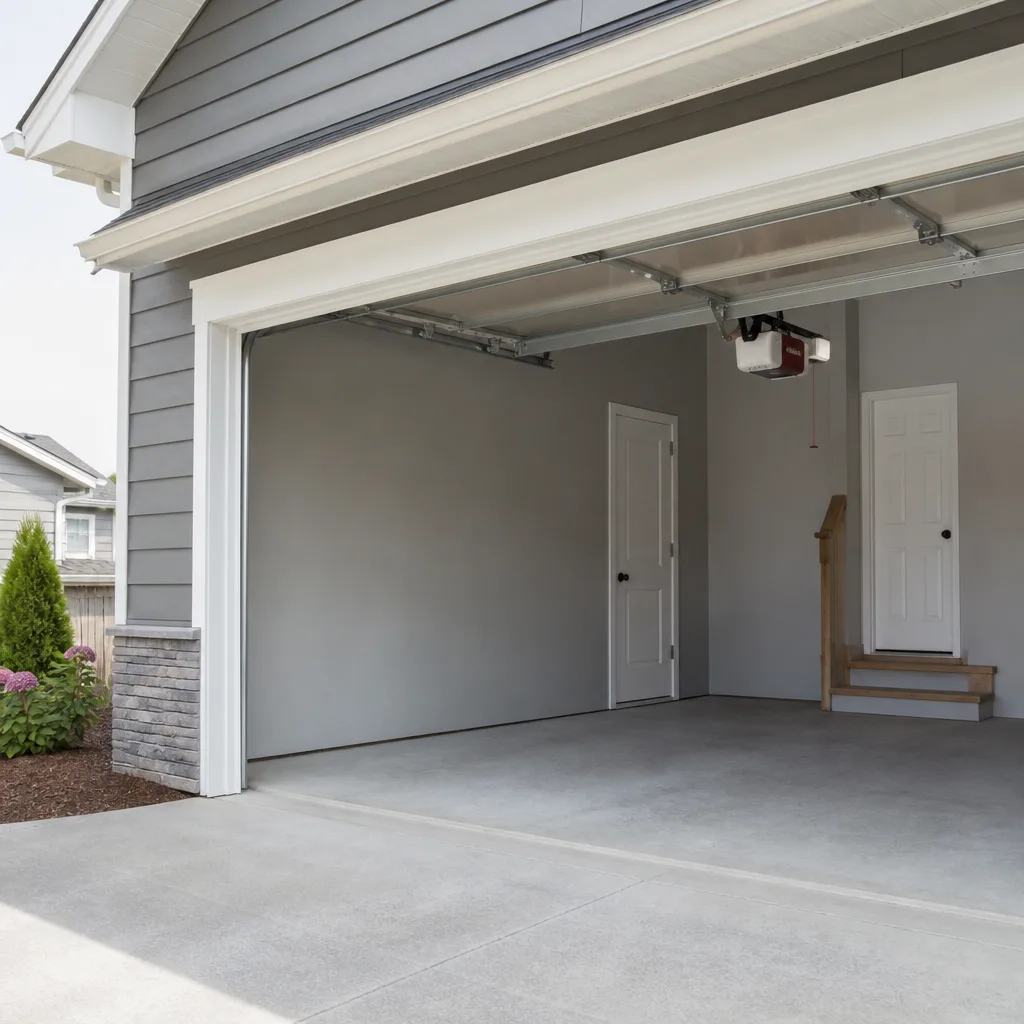 LiftMaster openers
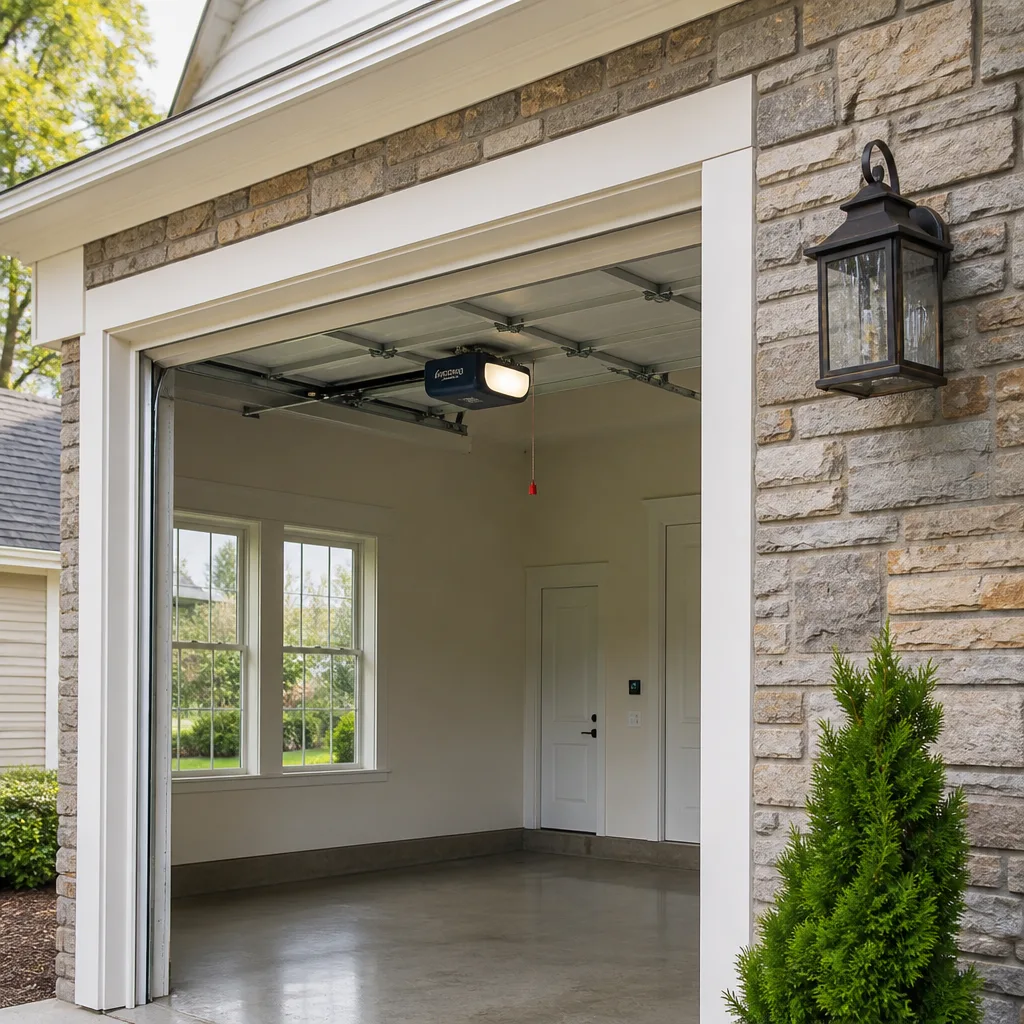 Chamberlain openers
Full 25-point door and opener safety check with every visit - springs, cables, rollers, tracks, and your LiftMaster or Chamberlain opener included
You get a price before we start. It does not change when the truck arrives.
Get your free estimateGarage Door Warning Signs: A Lakeland Homeowner’s Reference Guide
That grinding noise your garage door makes every third or fourth cycle isn’t a quirk. It’s a roller bearing failing, and it’s measuring its remaining life in weeks, not months. Lakeland’s humidity accelerates metal fatigue in ways homeowners don’t expect, and the subtropical climate means your door cycles through heat expansion and moisture absorption daily. This guide decodes the specific sounds, movements, and response patterns that signal failing components, tells you what each warning sign means, and gives you a realistic timeline for when it becomes an emergency. By the time you finish reading, you will know exactly what your door is trying to tell you.
Quick Answer
The most common garage door warning signs in Lakeland are grinding or squealing noises (worn rollers or bearings), uneven lifting (failing springs or cables), hesitation or slow travel (opener strain or track misalignment), and reversing mid-cycle (sensor obstruction or force-setting drift). These signs fall into three urgency tiers: visual inspection this week, professional diagnosis this month, and same-day safety concerns that require immediate attention from a specialist.
Styles & brands we work with
Table of Contents
- Sound Mapping: What Each Noise Actually Means
- Movement Diagnostics: Reading Your Door’s Motion
- Opener Behavior Flags: Three Distinct Warning Categories
- Visual Indicators: What You Can Check vs. What Needs a Technician
- Warning Sign Urgency Tiers: This Week, This Month, Same Day
- Lakeland-Specific Factors That Accelerate Wear
- Common Mistakes to Avoid
- When to Call a Professional
- Frequently Asked Questions
Sound Mapping: What Each Noise Actually Means
Garage doors speak in four distinct failure dialects: grinding, squealing, popping, and banging. Each noise originates from a different component, and confusing them leads to the wrong repair, wasted money, and a door that fails anyway. Here is the breakdown we use when diagnosing doors across Lakeland, from the lakeside homes off Lake Hollingsworth to the newer construction in Grasslands and Eaglebrooke.
Grinding is almost always a roller bearing. Rollers ride in the track and carry the full weight of the door. When the sealed bearing inside a roller dries out or fills with Lakeland’s ever-present grit and humidity, the metal-on-metal contact produces a grinding sound that worsens when the door slows at the top and bottom of its travel. You will hear it on roughly every third or fourth cycle at first, then every cycle as the bearing degrades. Nylon rollers with sealed bearings fail more quietly than steel, but the sound is still there if you listen while standing near the track. A grinding roller left unaddressed eventually seizes, which yanks the door off-center in the track and can bend the track itself. That is a $200 problem becoming a $600 problem.
Squealing is different. It is higher-pitched, more consistent, and usually points to hinges or the torsion spring. Hinges between door panels have pivot points that collect Lakeland dust and lose lubrication, especially on west-facing doors that bake in afternoon sun. Squealing from the spring area, on the other hand, indicates the torsion spring is shifting on its shaft as it winds and unwinds. A spring that squeals is a spring that is binding, and a binding spring puts uneven load on the cable drums. We have seen this pattern repeatedly on Amarr and Wayne Dalton doors that look fine from the outside but are developing serious internal stress.
Popping is the sound of a cable settling into or jumping out of a groove on the drum. It happens when the cable has developed slack, which usually means the spring is losing tension or the cable itself is fraying strand by strand. Popping is intermittent and easy to dismiss, but it is one of the clearest early warnings of a spring failure in progress. In Central Florida, where doors cycle thousands of times per year, popping is a sound you should log and act on.
Banging is the most serious sound. A single sharp bang when the door reaches the floor or the header usually means a component slammed into its stop because something else failed to cushion the motion. Repeated banging during travel suggests a broken section, loose hardware, or a roller that has left the track. If you hear a bang followed by the door dropping faster than normal, the spring has snapped. Stop using the door immediately.
For a fuller look at what these sounds mean in context, our Garage Door Repair in Jan-Phyl Village page walks through diagnosis and repair options for the area’s most common failure modes.
Movement Diagnostics: Reading Your Door’s Motion
A healthy garage door moves at a consistent speed, stays level from left to right, and stops cleanly at both ends of travel. Deviations from that pattern are measurable warnings, and you do not need any tools beyond your eyes and a stopwatch. Here is how to read what your door’s movement is telling you, step by step.
- Time the travel from full closed to full open. A properly balanced door takes roughly 12 to 15 seconds to open completely. If yours takes 20 to 30 seconds, the opener is working harder than it should, which points to spring fatigue, track friction, or roller wear. A door that opens too fast, by contrast, often indicates the spring is overwound or the opener’s force settings have drifted high enough to mask a problem.
- Watch the gap between the floor and the bottom of the door. When fully closed, the gap should be even from side to side. If one side sits higher, the door is out of level. That means one cable has more tension than the other, which is a spring or cable issue, not a floor issue. Lakeland slab homes settle over time, but a door that was level and is now not has changed for a mechanical reason.
- Watch for hesitation. Hesitation is the brief pause or stutter you see partway through travel, usually where track sections join or where the door transitions from horizontal to vertical. It often means a roller is catching on a track joint, a track section has shifted, or the opener’s force sensing is reacting to unexpected resistance. Hesitation is not normal, and it tends to get worse.
- Listen for asymmetry. A door that is quieter on one side than the other is telling you something. One side’s rollers and hinges are carrying more load or wearing faster. Walk to each side during a cycle and compare. Asymmetric noise is an early sign of spring imbalance or track misalignment that a technician can correct before it cascades.
These movement patterns map directly to the kinds of issues we address through garage door repair in the Lakeland area, and catching them early is the difference between a tune-up and a full door rebuild.
Opener Behavior Flags: Three Distinct Warning Categories
Your opener is a load-sensing motor with a control board, and it is the least forgiving component when something downstream is failing. Opener warning signs split into three categories with different urgency levels: motor strain, reversing behavior, and remote lag. Treat them separately, because they point to different root causes and different timelines.
Motor strain sounds like the opener is working harder than it used to: a deeper, slower, more labored hum. It often accompanies a door that moves more slowly or pauses. Motor strain means the opener is pushing against abnormal resistance. The most common causes are a fatigued spring that is no longer counterbalancing the door’s weight, rollers that have developed rolling resistance, or a track that has shifted out of alignment after years of Lakeland heat cycles. Motor strain is the clearest warning that a spring replacement is coming. Opener motors are not designed to lift garage doors alone; they are designed to guide a balanced door. When the spring stops doing its half of the work, the motor does more, heats up, and its circuit board and gears wear prematurely.
Reversing mid-cycle is different and must not be ignored. An opener that starts to close and then reverses, or starts to open and then stops and reverses, is doing what openers do when they sense resistance they interpret as an obstruction or a person. But phantom reversing, with no visible obstruction, indicates a sensor problem or a force-setting problem. Lakeland dust and insects collect on safety sensor lenses, and evening humidity condenses on them, causing intermittent false readings. If cleaning the lenses and realigning them does not stop the reversing, the issue is likely component-level: a failing capacitor, a worn travel module, or a logic board that is misreading input. This is a professional diagnostic, not a DIY fix. Opener repair in the Lakeland market frequently begins with these exact symptoms.
Remote lag is the third category, and it is usually the most benign. If the opener responds to the wall button instantly but lags when triggered by a remote or an app, the issue is in the signal path, not the motor. In Lakeland, where many homes use LiftMaster/Chamberlain myQ or Genie Aladdin Connect, we typically see lag caused by Wi-Fi interference, outdated hub firmware, or a remote battery that is at the end of its life. Remote lag alone rarely indicates mechanical failure, but combined with motor strain or reversing, it is part of a broader pattern worth investigating. We service the specific quirks of all major opener platforms through our Garage Door Opener Repair in Jan-Phyl Village work, because opener behavior is one area where brand knowledge genuinely matters: a Chamberlain travel module and a Genie force sensor fail differently and are adjusted differently.
Visual Indicators: What You Can Check vs. What Needs a Technician
Some warning signs are visible to any homeowner who knows what to look at, and some require a trained eye and the right equipment. Here is the split, so you can inspect confidently without putting yourself at risk. This applies to any Lakeland home, whether you have a Craftsman door from the 1990s or a modern Raynor installation.
What You Can Check Yourself
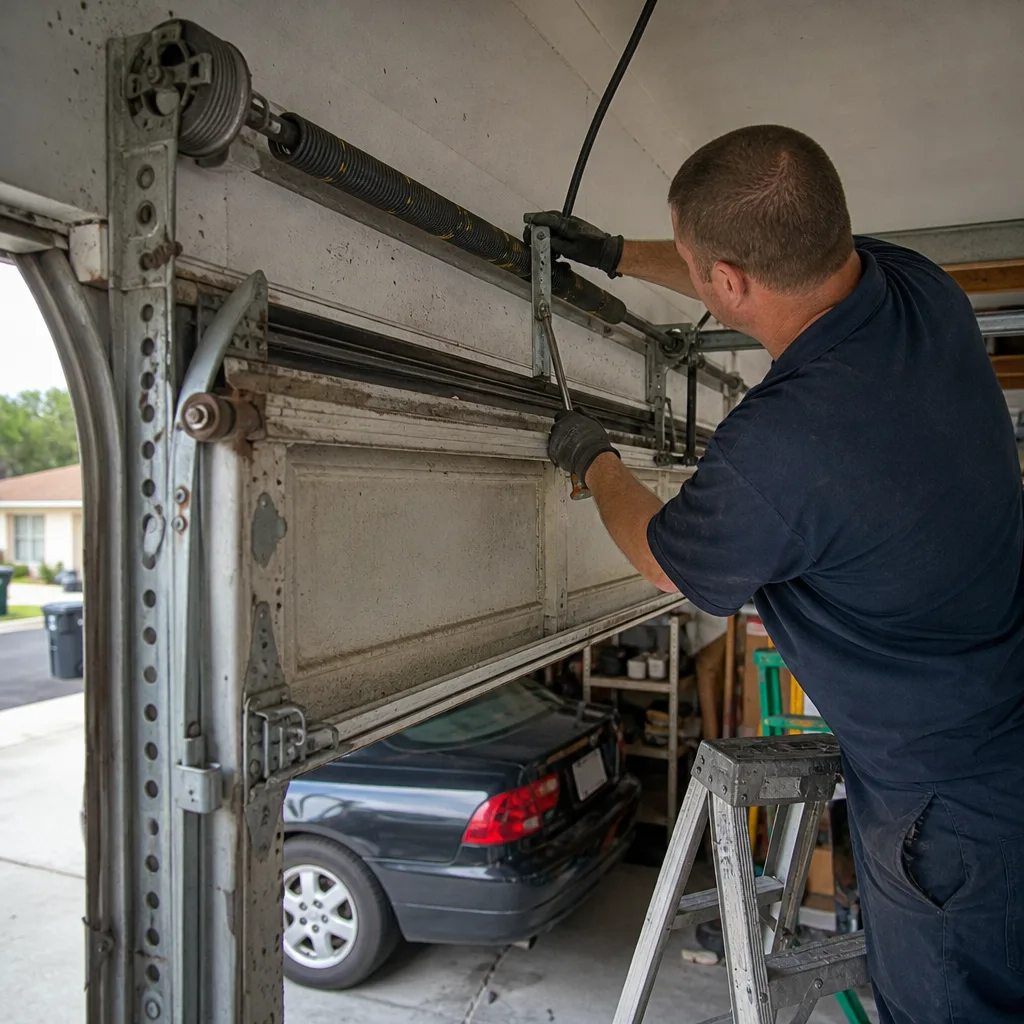
- Cable condition. Look at the cables running alongside the door, especially near the bottom bracket. Visible fraying, separated strands, or rust discoloration on the cable means the cable is on borrowed time. Do not touch the cable. Just note it.
- Roller wear. With the door closed, look at the rollers in the track. Metal rollers with flat spots or visible wobble, or nylon rollers that look cracked or chipped, need replacement. This is a visual check, not a replacement job you should attempt.
- Track alignment. Stand back and sight down each vertical track. The track should be straight and parallel to the door edge. A visible bow, gap, or rust-through is a finding. Lakeland’s humidity makes track rust more common than most homeowners expect, particularly on older steel tracks near the floor.
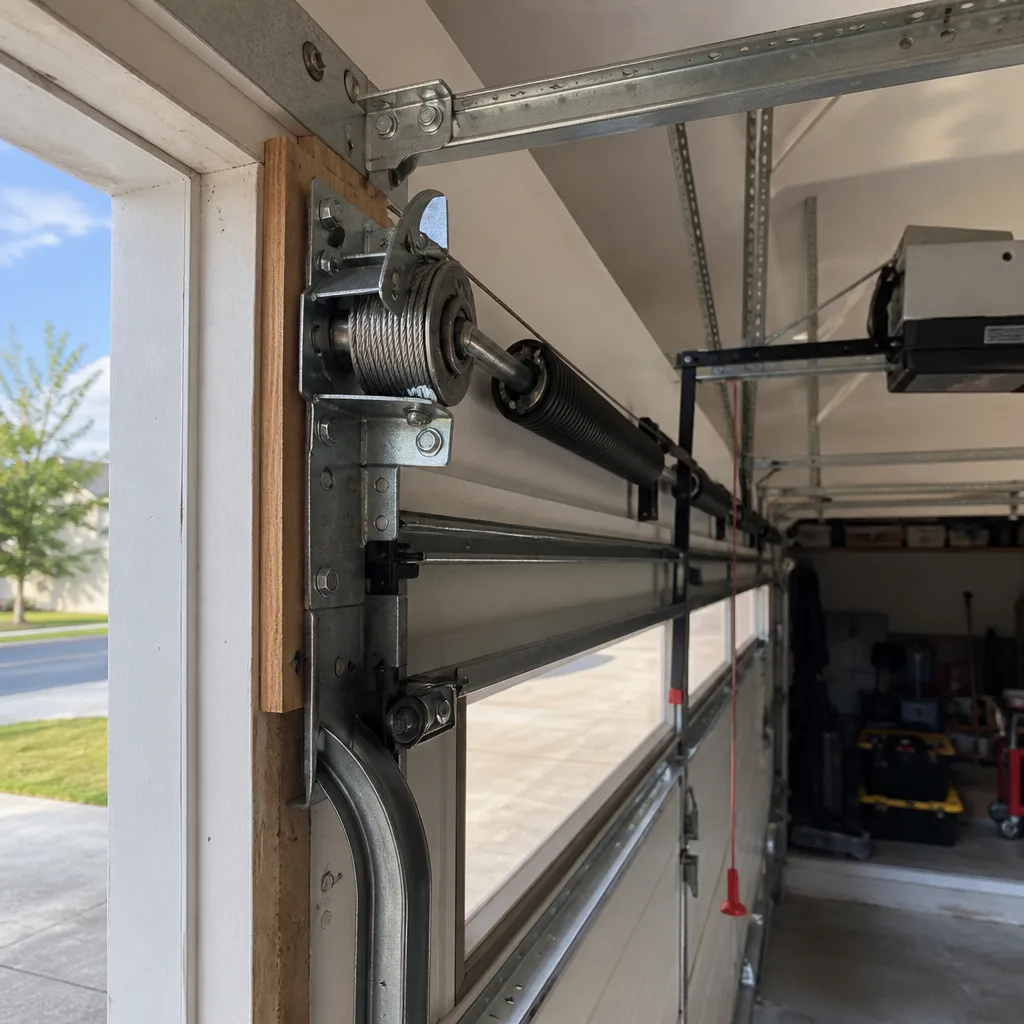
- Spring gap. With the door closed, look at the torsion spring above the door. A gap in the coil indicates the spring has broken. If you can see a visible separation between coils, the spring is done, and the door is unsafe to operate.
- Door balance. Disconnect the opener using the red release cord, then manually lift the door to the halfway point. Release it. A balanced door stays put. A door that drops or rises on its own has a spring problem. Do this once a year.
What Needs a Technician’s Eye
- Spring tension measurement. Torsion springs are under constant, enormous load. Testing whether spring tension matches the door’s actual weight requires a winding bar and precise technique. A spring that looks intact can still be dangerously out of spec. This is the single most dangerous component on a garage door system, and Lakeland homes with high-cycle doors see spring failure at higher rates than the national average.
- Cable drum seating. The cable drum at each end of the torsion shaft must be seated correctly for even travel. A drum that has slipped a quarter-inch changes cable tension from side to side and is easy to miss without removing the drum cover and checking with a level and gauge.
- Opener force settings. Modern openers use electronic force sensing. Checking whether those settings are correct requires a force gauge and knowledge of the opener’s programming menu. Incorrect settings either wear out the opener early or create a door that does not reverse when it should.
- Panel section integrity. Hairline cracks and delamination in door panels, especially insulated steel panels, often start invisibly at the hinge mounting points and propagate. A technician can identify early panel damage before a hinge pulls through and leaves the door dropping abruptly.
The distinction matters: you can identify signs, and we will confirm causes. When a visual check turns up something on this list, a professional diagnosis is the next step. For a deeper look at how a full installation goes when replacement becomes necessary, our Garage Door Installation in Jan-Phyl Village page explains the process from measurement to final balance.
Warning Sign Urgency Tiers: This Week, This Month, Same Day
Every warning sign has a decay curve. The question is not whether it will fail, but when, and the march of failure is never steady. Lakeland’s climate compresses timelines; a component that would last a year in a dry climate can fail in months here. Here is how we categorize urgency, based on what we see across thousands of Lakeland service calls.
Tier 1: Address This Week
- Squealing hinges or spring that responds to lubrication and quiets down temporarily
- Remote lag with no other symptoms
- Visible roller wobble or cracked nylon rollers
- Intermittent popping that occurs once every few cycles
- Track rust that is surface-level only, without bowing or misalignment
These signs indicate wear that is measurable but not yet dangerous. The door is not about to fail, but the problem compounds. Addressing Tier 1 issues costs less than waiting, and it prevents Tier 2 and Tier 3 from ever arriving.
Tier 2: Address This Month
- Consistent grinding on every cycle
- Slow travel speed (20 seconds or more full open)
- Hesitation at a specific point in travel
- Asymmetric noise from one side of the door
- Door dropping when tested for balance at the halfway point
- Opener motor strain that is audible from inside the house
These signs mean a component is actively failing. You have time, but not unlimited time. A door in this category can fail without additional warning, especially during a Lakeland heat wave when metal components expand and the door cycles more frequently with more family members home during summer.
Tier 3: Same-Day Safety Concern
- Visible gap in a torsion spring coil (broken spring)
- Cable that is visibly frayed or has separated strands
- Door that slams to the ground or bangs at either end of travel
- Door that reverses unpredictably during close, especially with no obstruction present
- Door that has come off its track, even partially
- Any bang followed by a sudden change in door behavior
These are emergencies, not because they are guaranteed to cause injury in the next hour, but because the door is now operating without the safety systems that normally prevent injury and property damage. A door with a broken spring can weigh 150 to 250 pounds and is held only by the opener’s carriage, which was never designed for that. Stop using the door and call a specialist. Lift Line Garage Door Repair offers free estimates in Lakeland, and these are the calls we treat with the most urgency because we know exactly what a dropped door does to a car, a child, or a pet.
Lakeland-Specific Factors That Accelerate Wear
Garage door wear is not uniform across the country, and Lakeland has three characteristics that make local doors fail differently than doors in drier, cooler markets. Understanding these factors helps you anticipate problems before they show up as symptoms.
Humidity and rust. Lakeland’s average relative humidity runs high year-round, and summer brings months of afternoon storms with near-total saturation. Steel components, especially cables, tracks, and spring coils, develop surface rust faster here than in most of the country. Rust on a cable is not cosmetic; it weakens the steel strand by strand. We regularly replace cables in Lakeland that have never been physically damaged but have simply rusted through at the bottom bracket, where splashback and flood-line moisture concentrate. Wayne Dalton and older Craftsman doors with exposed steel hardware are particularly susceptible.
Heat cycling on springs. Torsion springs are rated for a specific number of cycles, typically 10,000 on standard springs and up to 20,000 or more on upgraded models. But heat accelerates metal fatigue, and Lakeland garages routinely reach 110 degrees or more in summer, especially west-facing doors that absorb direct afternoon sun. The spring cycles through heat expansion and cooling contraction daily, and the cumulative effect shortens spring life. A spring rated for 10,000 cycles in a temperate climate may deliver 7,000 to 8,000 useful cycles in a Lakeland garage. That is a real difference for a door that cycles four times a day.
Lakeside soil settlement. Lakeland’s famously abundant lakes mean many homes sit on soil that shifts with the water table. Door frames settle over years, and a garage door that was perfectly level at installation gradually becomes out of level as the slab or header shifts. A quarter-inch of settlement changes the way the door loads its cables, accelerating wear on one side. Homes near Lake Hollingsworth, Lake Morton, and the neighborhoods along the Lake-to-Lake corridor see this pattern the most, but any Lakeland home built on sandy soil experiences some degree of it.
These factors are why we recommend an annual visual inspection and balance test for every Lakeland door, regardless of age or brand. The same door in Ohio might go five years between issues; in Polk County, the timeline compresses. For installs, using components rated for humidity and selecting the right spring cycle count matters more here than in most markets, which is why the Garage Door Installation in Jan-Phyl Village service focuses on Lakeland-specific material selection, not generic one-size-fits-all packages.
Common Mistakes to Avoid
- Lubricating to mask a mechanical problem. Spraying lubricant on a grinding roller reduces the sound for a week, which feels like a fix. It is not. The bearing is still failing, and now it is failing quietly. Use lubrication for maintenance, not as a response to grinding. If the sound comes back, the component is done.
- Waiting for the door to stop working entirely. By the time a Lakeland door stops moving, the prevention window has passed. The repair is now urgent, more expensive, and possibly hazardous. Warning signs exist precisely so you do not arrive at that point.
- Disconnecting the opener and pulling the door down when a spring is broken. The opener was holding the door up. When you pull the red release, the door becomes a falling weight. This causes serious injuries every year, including in Lakeland. A broken spring is a call-a-professional situation.
- Assuming the opener caused a door problem. The opener is the least likely component to fail first on most garage door systems. When the door is slow, noisy, or uneven, the spring, rollers, or cables are almost always the cause, and the opener is simply reacting. Replacing the opener without addressing the underlying issue leaves the problem intact.
- Ignoring remote lag because the wall button works. Remote lag can be benign, but it can also be the first sign of a failing control board or a developing wiring issue. A door that works from the wall but not from the car is a door that is not communicating, and that matters for safety and security.
- Attempting DIY spring or cable work from a YouTube video. These components carry stored mechanical energy that can release instantly. A torsion spring under load can sever fingers, break bones, or worse. Even experienced general contractors call garage door specialists for spring work. In Lakeland, where doors are heavy and components are often rusted into place, the risk is amplified.
When to Call a Professional
You should call a specialist in any of these situations: you see a gap in a torsion spring, you see frayed cables, your door has come off its track, your door bangs or slams at either end of travel, your door reverses unpredictably, or you have completed the annual balance test and the door will not stay at the halfway point. You should also call if any sound, movement pattern, or opener behavior on this list persists for more than a week after you have addressed what you can safely address. The pattern is the point: warning signs that do not resolve are escalating. Lift Line Garage Door Repair offers free estimates in Lakeland, and a diagnostic visit costs less than the component failure that follows a dismissed warning sign. Call (866) 253-2286 when you need a specialist who works on the brand already on your door.
Frequently Asked Questions
A visible gap in a torsion spring coil is the most serious warning sign because it means the spring has broken, and the door is now operating without its primary safety system. The door can weigh 150 to 250 pounds and is held only by the opener, which was not designed for that load. Stop using the door immediately and call a professional.
Garage door repair in Lakeland typically ranges from $125 to $450 depending on the component. Roller replacement usually falls in the $150 to $250 range, hinge replacement runs $100 to $200, spring replacement typically costs $180 to $340, and cable replacement lands between $150 and $300. Opener repairs run $120 to $400 depending on the part. Lift Line Garage Door Repair quotes every price before any work begins, and our estimates are free. Call (866) 253-2286 for an exact quote on your door.
It depends on the noise. Squealing that quiets with lubrication can usually wait a week or two. Grinding means a roller bearing is failing and should be addressed within a month to avoid track damage. Banging or anything followed by a sudden change in behavior means stop using the door immediately. When in doubt, treat an unfamiliar noise as a reason to stop and call a specialist.
In Lakeland’s climate, an annual inspection and balance test is the right interval for most doors. Homes near the lakes or with west-facing garages benefit from a check every 9 to 12 months. The humidity, heat cycling, and soil settlement in Polk County compress wear timelines compared to national averages, and an annual check catches issues at Tier 1 before they escalate.
Lift Line Garage Door Repair works on all eight of the most widely installed garage door and opener brands in American homes: LiftMaster, Chamberlain, Genie, Clopay, Amarr, Wayne Dalton, Craftsman, and Raynor. That means our technicians arrive familiar with the specific hardware already on your door, whether it is a premium Amarr installation or a legacy Craftsman opener.
No. Lift Line Garage Door Repair quotes a firm price after diagnosis and before any work begins, and that price does not change unless you approve additional work in writing. We carry common parts on the truck, which means most repairs complete in a single visit. Call (866) 253-2286 for a free estimate in Lakeland.
The Bottom Line
Garage doors fail predictably. The sounds they make, the way they move, and the way their openers behave are not random; they are a diagnostic language, and this guide gives you the vocabulary to read it. The door that grinds every fourth cycle will not grind forever. The door that drops when you test its balance will not get lighter. The cable with visible rust will not heal. In Lakeland’s climate, timelines compress, and the cheap fix becomes expensive quickly. Knowing the tiers, checking visual indicators on a schedule, and calling a specialist when a warning sign persists is how you protect your home, your vehicles, and your family. When the signs say it is time, Lift Line Garage Door Repair is the team that works on the brand already on your door. Call (866) 253-2286 for a free estimate in Lakeland.
Written by the team at Lift Line Garage Door Repair, serving Lakeland since 2012.
See the difference
 Before
 After
 Before
 After
 Before
 After