

Last updated October 31, 2026
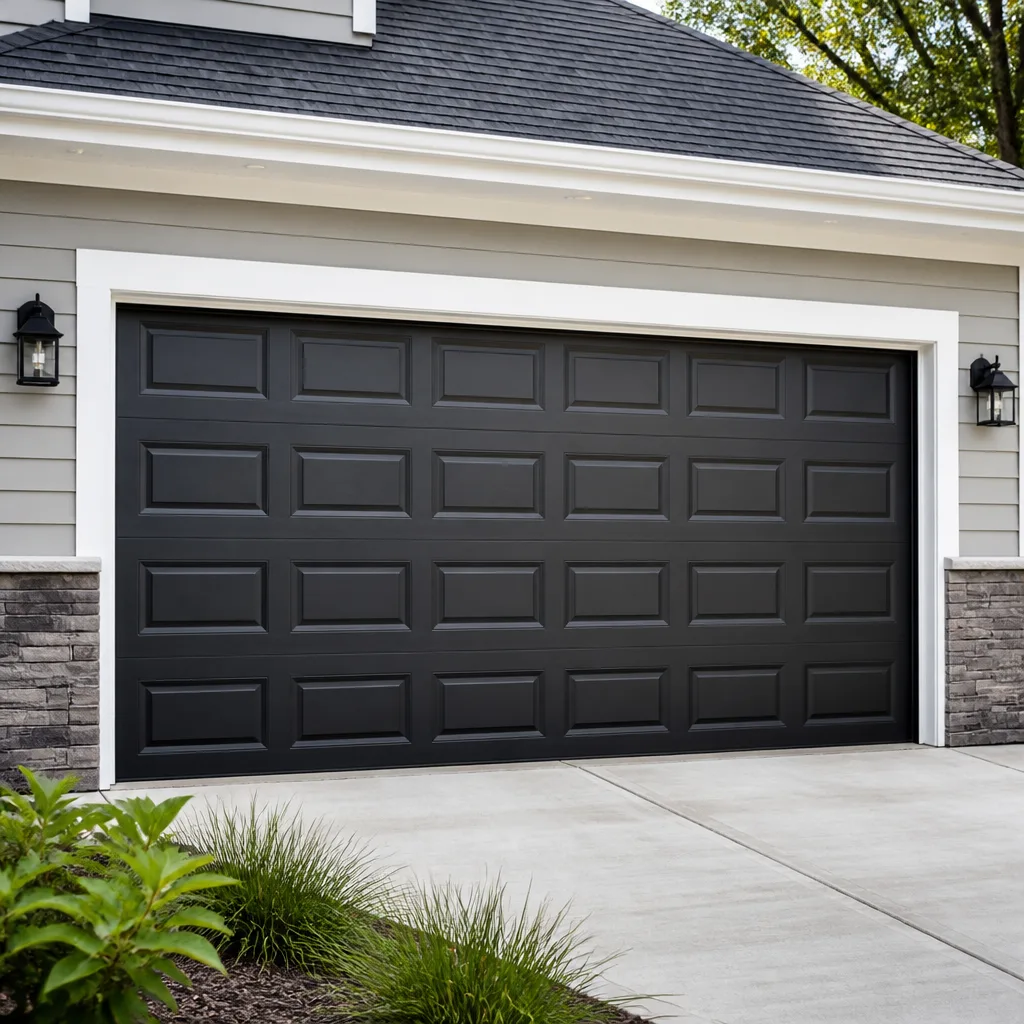 Raised-panel steel
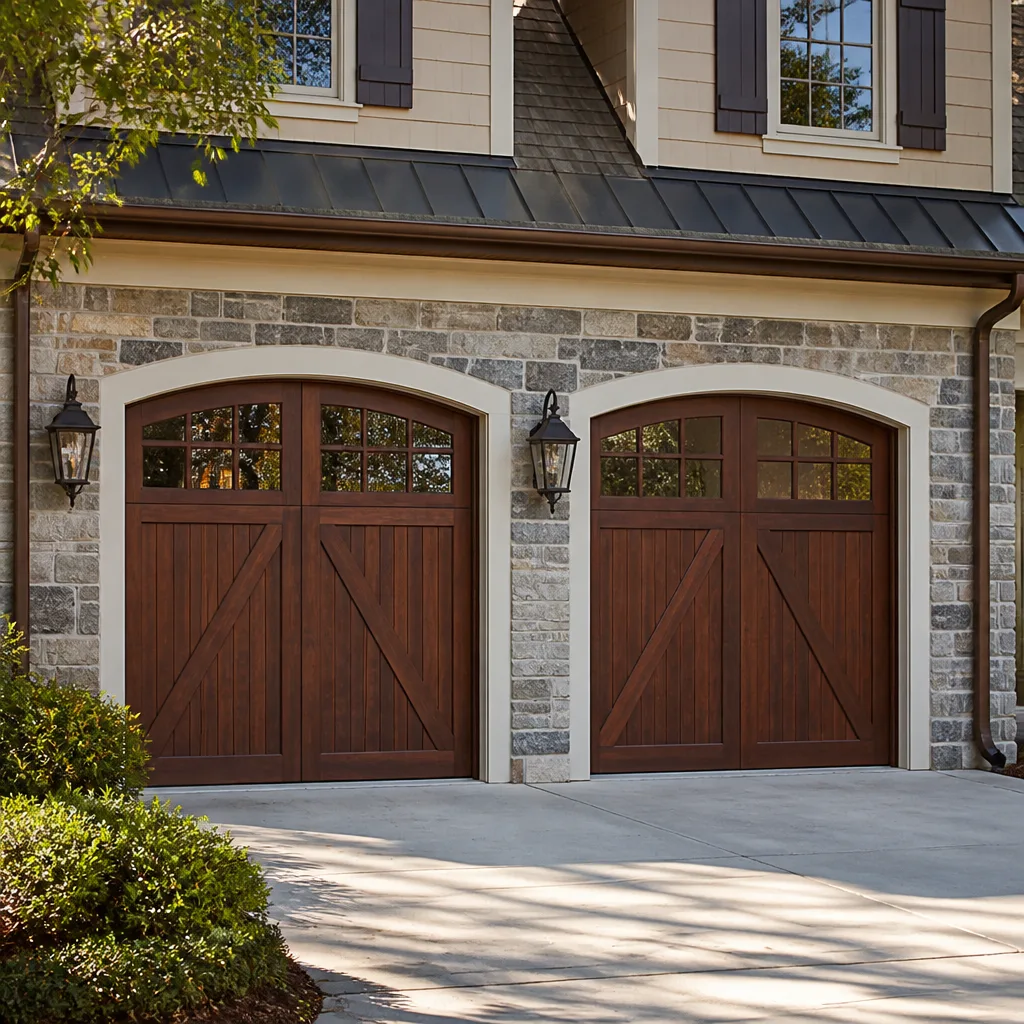 Carriage house
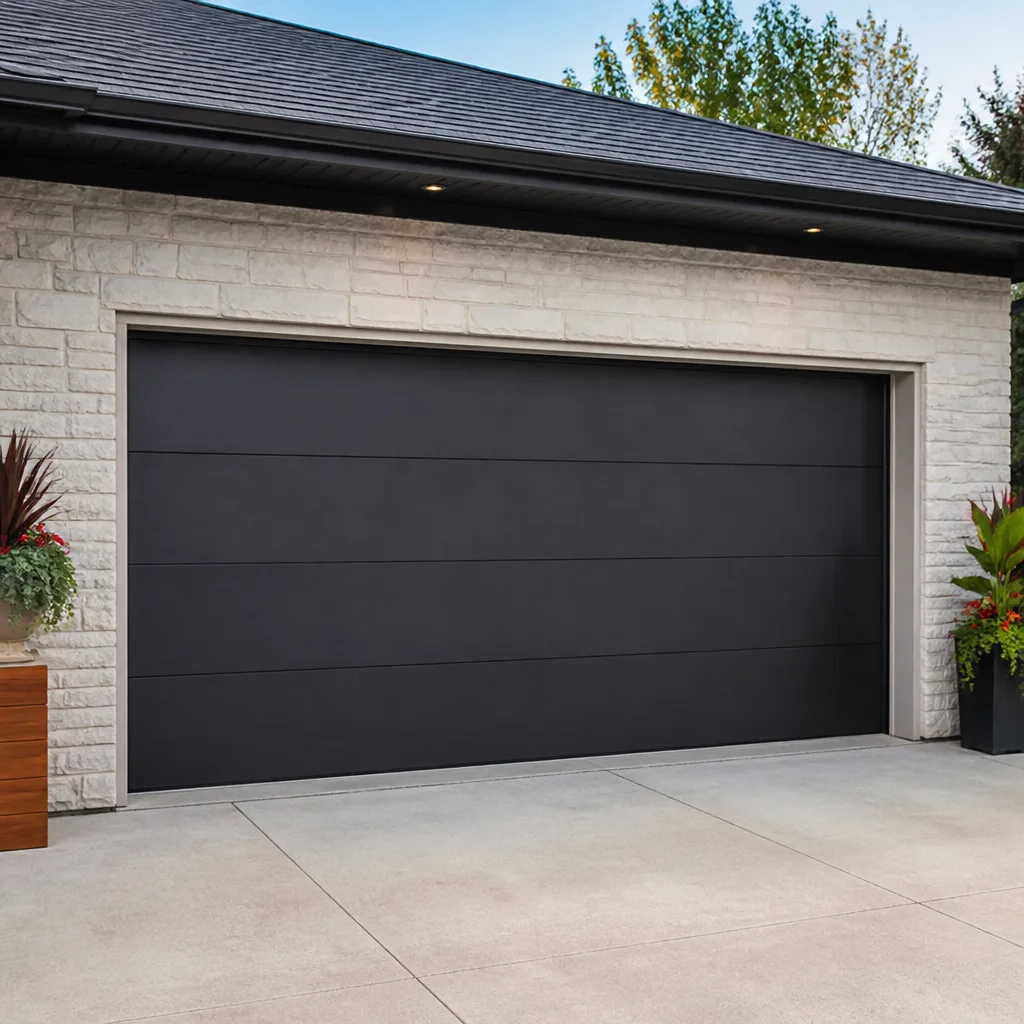 Modern flush
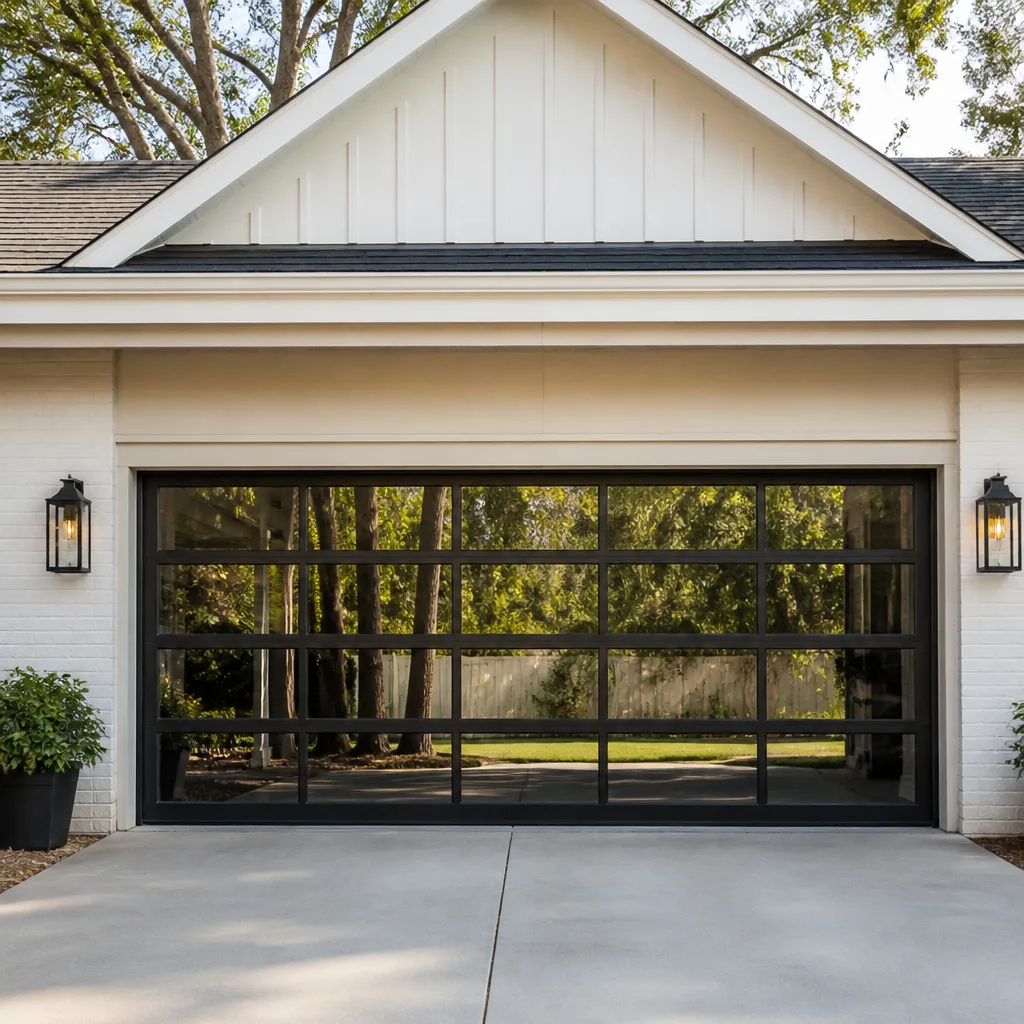 Full-view glass
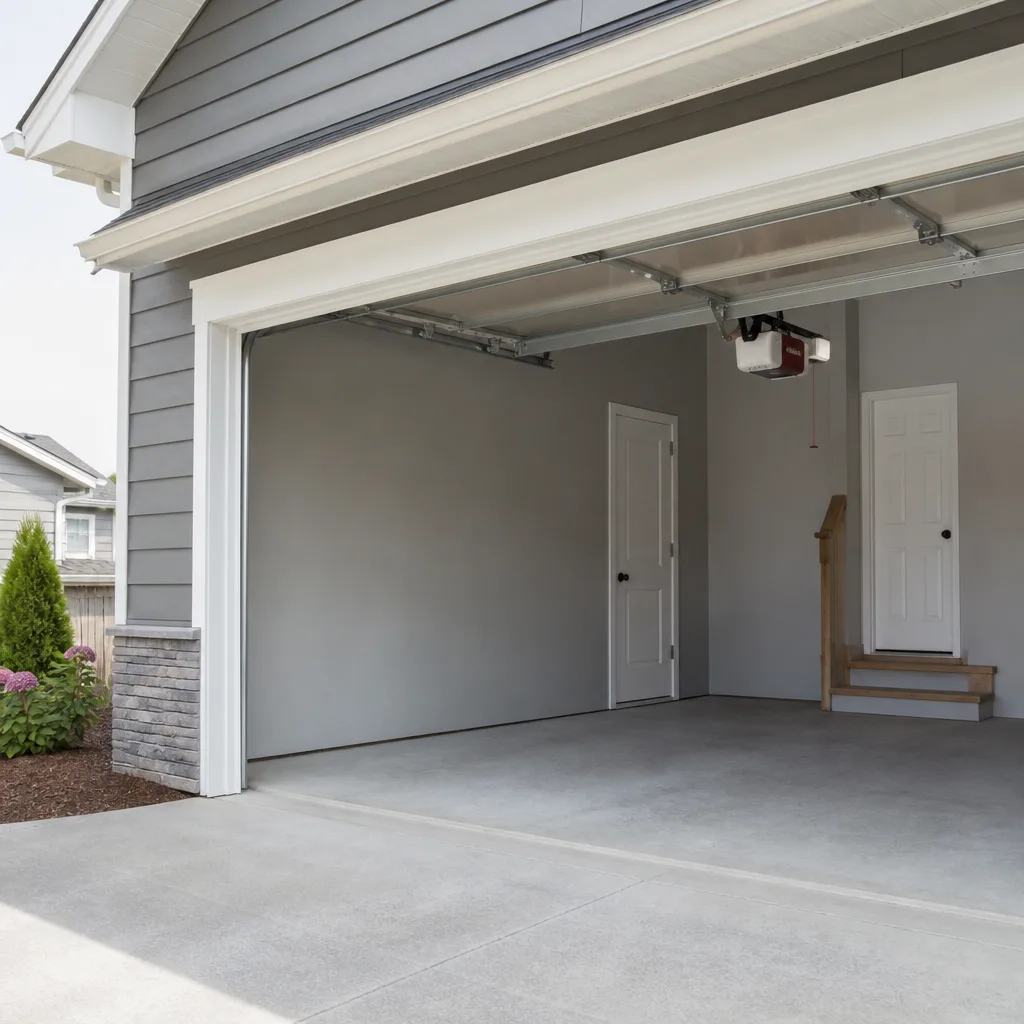 LiftMaster openers
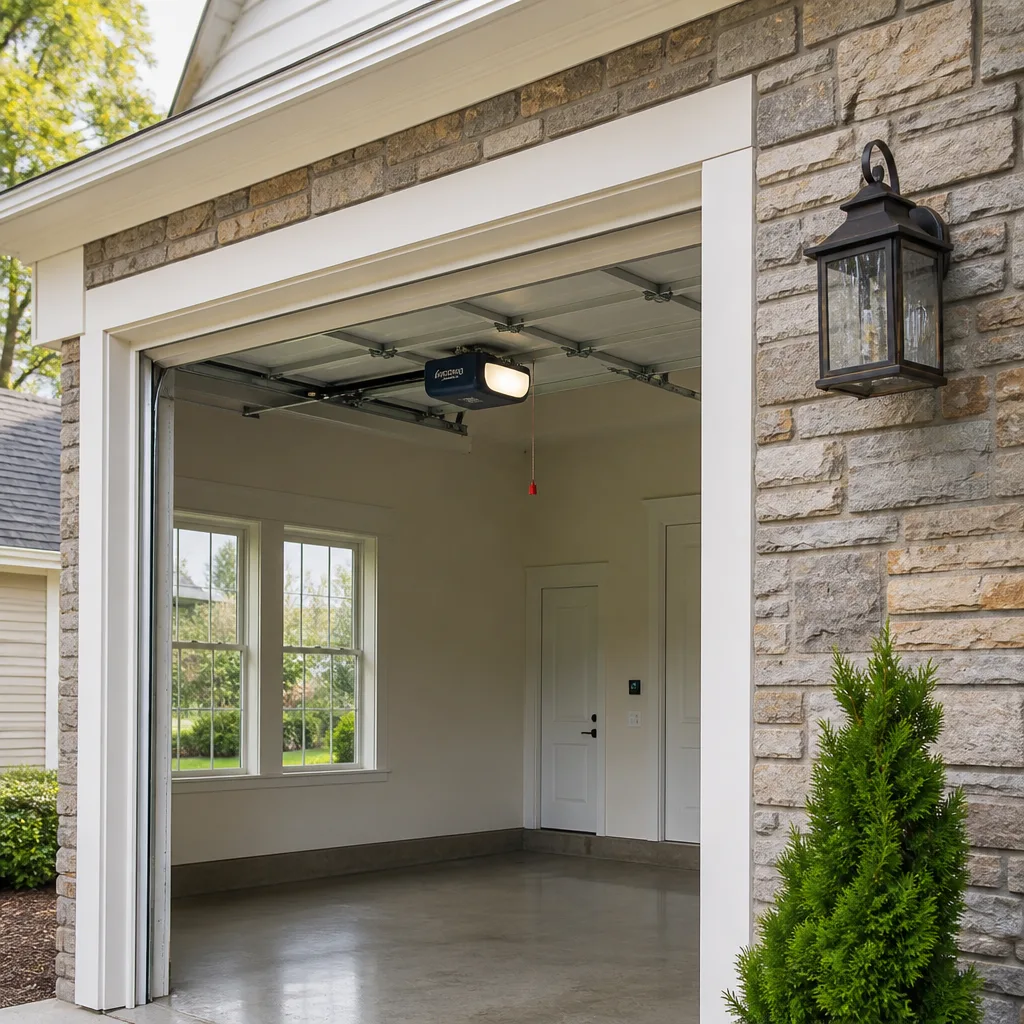 Chamberlain openers
Full 25-point door and opener safety check with every visit - springs, cables, rollers, tracks, and your LiftMaster or Chamberlain opener included
You get a price before we start. It does not change when the truck arrives.
Get your free estimateThe Complete Guide to Garage Door in Lakeland
The average Lakeland homeowner opens and closes their garage door more than 1,500 times a year, treating it as a single, simple machine. It’s not. A garage door is a system of six interdependent components, and most people don’t learn that until the spring snaps at 7 a.m. on a Tuesday. This guide breaks down every component, every failure relationship, and every decision point specific to Central Florida homes, including Polk County’s humidity, heat, and construction patterns. By the time you finish, you’ll understand your door better than most contractors who work on it, and you can explore more guides & resources whenever you’re ready.
Styles & brands we work with
Quick Answer
A garage door in Lakeland is a coordinated system of six components: panels, torsion springs, cables, drums, tracks, and the opener motor. When one fails, it often damages the others, which is why a $150 spring replacement can balloon into a $1,400 full-system replacement if ignored. Understanding what each part does and how Lakeland’s specific climate affects it helps you make smarter repair decisions and avoid getting sold work you don’t need.
Table of Contents
- The Six Components Every Lakeland Garage Door Shares
- How Spring Failure Cascades Through the System
- What Lakeland’s Climate Does to Different Door Materials
- Opener Brand Quirks Common in Polk County Homes
- Repair or Replace: The Decision Framework
- What a Complete Garage Door Service Actually Includes
- Common Mistakes to Avoid
- When to Call a Professional
- Frequently Asked Questions
The Six Components Every Lakeland Garage Door Shares
Every garage door in Lakeland, whether it’s a 1990s build in Highland City or a newer home in the Lakeside Village area, operates on the same six subsystems. Knowing these gives you a diagnostic framework before anyone sets foot in your driveway.
1. The Panels
Panels are the visible face of the door. In Lakeland, most residential doors use either steel or aluminum construction. Steel panels on a 16-foot door weigh between 150 and 250 pounds depending on insulation and gauge. Aluminum runs lighter but dents more readily. The panels themselves rarely fail suddenly; they sag, rust, or separate at the seams over years of humidity exposure.
2. The Torsion Springs
These are the counterweight system mounted above the door opening. They do roughly 90% of the lifting work. A standard Lakeland residential door uses either a single spring or a pair, rated for 10,000 to 20,000 cycles, which translates to 7 to 14 years of average use. When a spring fails, the door becomes dead weight, and that’s when other parts start paying the price.
3. The Cables
Cables run from the bottom brackets up to the drums at either end of the spring shaft. They transfer the spring’s tension into even lifting force on both sides of the door. Cables don’t usually break first. They break because a spring failed and the unbalanced door yanked them apart. Frayed cables are a warning sign you should not ignore.
4. The Drums
Drums are the grooved spools at the ends of the torsion shaft. They wind and unwind the cables as the door moves. If a drum slips or the cable jumps the groove, one side of the door rises faster than the other, jamming the entire assembly against the track.
5. The Tracks
Tracks guide the rollers from the closed position up and over the curve into the horizontal section near the ceiling. In Lakeland garages, tracks get knocked out of alignment by car bumps, shifting concrete slabs, and the slow creep of humidity-swollen framing. Misaligned tracks cause grinding, sticking, and eventually derailed rollers.
6. The Opener Motor
The opener is the only powered component in the system. It’s a motor, a drive mechanism, and a control board. In Polk County homes, you’ll find a mix of chain-drive and belt-drive units, with belt-drive more common in newer construction because they’re quieter against the slab foundation walls. The opener is often blamed for problems that actually originate in the door itself, because a struggling door makes the opener sound terrible while it works.
In our experience, most Lakeland service calls start with a complaint about the opener and end with a diagnosis in the springs or tracks. That’s the most common misread in the industry, and understanding it saves you money.
How Spring Failure Cascades Through the System
Spring failure is the most common repair in Lakeland, and it’s also the one that causes the most downstream damage when it’s not caught early. Here’s the sequence we’ve seen play out in dozens of local garages.
- The spring breaks. You hear a loud bang from the garage, like a car backfiring. The spring has snapped, usually at the end coil, and the door now weighs its full 150 to 250 pounds with no counterbalance.
- The door becomes impossible to lift manually. Even with the emergency release pulled, the door is dead weight. If you force it, the cables slacken and jump the drum grooves.
- The cables fray or snap. One side of the door now hangs lower than the other. The remaining cable takes the full load and begins to fray at the bottom bracket.
- The drums chew themselves up. With a snapped cable, the drum on that side spins with no resistance, and the cable wraps backward around the shaft, binding everything.
- The opener motor burns out. Most Lakeland homeowners try the opener first, not realizing the spring is broken. The motor strains against the dead weight, the plastic drive gear strips, and now you need a spring and an opener.
- The panels bend. The longer the door sits unbalanced, the higher the chance the bottom panel twists or buckles against the track. Panel replacement is the most expensive repair short of full door replacement.
That’s the cascade. A broken torsion spring in Lakeland costs between $220 and $350 to replace on a typical double door, installed. A full system failure, spring plus cables plus drums plus opener, can run $800 to $1,400. The math is not complicated: address the spring immediately, and the rest of the system stays intact.
Safety note: torsion springs are under high tension and can cause serious injury if handled without proper winding bars and training. Do not attempt to remove or adjust a broken spring. Call a trained professional.
What Lakeland’s Climate Does to Different Door Materials
Lakeland sits in USDA Hardiness Zone 9b, with an average annual humidity between 74% and 78%. Summer afternoons regularly reach the mid-90s with heat indexes above 100, and the rainy season runs from June through September. Those conditions affect door materials in specific, predictable ways that northern installation guides never mention.
Steel Doors
Steel is the most common garage door material in Lakeland, and for good reason: it holds up against hurricane season and resists warping. But steel rusts. The bottom panel, which sits closest to the wet slab after afternoon thunderstorms, is the first place rust appears. In our experience, steel doors in Lakeland last 15 to 20 years before the bottom panel develops rust-through, whereas the same door in a dry climate might last 25. The fix is prevention: keep the bottom seal in good shape, and touch up scratches with rust-inhibiting paint before the rainy season starts.
Aluminum Doors
Aluminum is lighter and doesn’t rust, which makes it appealing for coastal-adjacent Florida. But Lakeland’s hailstorms, rare but real in the spring, dent aluminum more easily than steel. Aluminum doors also flex more in high wind, which means tracks need to be aligned more precisely. For a Lakeland homeowner, aluminum is a good choice if you want a modern glass-panel look, but we recommend a heavier gauge for the bottom panel.
Wood Doors
Wood doors in Lakeland are a statement, but they’re a commitment. The humidity cycle, soaked in summer and dried in winter, causes wood to swell and shrink constantly. That movement loosens the frame joints, warps the panels, and makes the door bind in the tracks. A wood door in Lakeland needs resealing every 18 to 24 months, and even then, expect a 10 to 15 year lifespan versus 20-plus for steel. If you have an original wood door on a 1970s Lake Hollingsworth home, the question isn’t whether it will need work, it’s when.
Insulation
Polystyrene and polyurethane insulation both degrade faster in humid environments. Polyurethane, which is injected and bonds to the steel, holds up better in Lakeland’s moisture than polystyrene panels, which can absorb humidity over time and add weight to the door. If you’re replacing a door in Lakeland, consider a polyurethane-insulated panel for both thermal performance and moisture resistance.
Opener Brand Quirks Common in Polk County Homes
We work on the brand already on your door, and in Lakeland that usually means one of four manufacturers: LiftMaster, Chamberlain, Genie, or Craftsman. Each has specific failure patterns worth knowing before you call for repair.
LiftMaster
LiftMaster is the professional-install brand and the most common opener in newer Lakeland construction. The 8500-series wall-mount units are popular in new builds because they free up ceiling space. The weak point on LiftMaster units is the travel module and the logic board, especially after power surges during summer lightning storms. If your LiftMaster opener won’t respond after a Lakeland afternoon storm, the board likely took a spike. A surge protector on the outlet is the cheapest insurance you can buy.
Chamberlain
Chamberlain shares a parent company with LiftMaster but targets the retail market. The quirk we see most in Lakeland is stripped plastic drive gears on chain-drive units. When the door is even slightly out of balance, usually from a weakening spring, the plastic gear grinds itself down over a few months. The opener gets louder and louder, then stops moving the door entirely. Replacing the gear is a $150 to $200 repair, but if you don’t address the spring that caused it, you’ll replace the gear again in a year.
Genie
Genie openers, particularly the older screw-drive models, are still working in a surprising number of Lakeland garages built in the 1980s and 1990s. The screw drive itself rarely fails, but the carriage teeth wear out, and the unit starts slipping. Genie’s newer belt-drive models are solid but sensitive to track misalignment. A Genie opener in Lakeland will often trip the safety reverse if the door doesn’t glide smoothly, which is actually a useful early warning for track problems.
Craftsman
Craftsman openers are the legacy workhorses of Polk County garages. Most units installed before 2010 are Chamberlain-built chain drives with Craftsman branding. The common failure points are the same stripped gear and the wall button. Craftsman opener parts are still widely available, and a repair is often the right call over replacement, especially if the unit is paired with an otherwise healthy door system.
Repair first is how we frame opener issues in Lakeland. An opener motor that still runs quietly with only a worn gear doesn’t need to be replaced. Same hardware, right knowledge, that’s the difference.
Repair or Replace: The Decision Framework
The DIY vs Professional Garage Door: The Lakeland Homeowner’s Decision Guide starts with the question every homeowner eventually faces, and it’s the one where you’re most likely to get steered toward a sale rather than a solution. Here’s the framework we use, and you can use it too, before anyone quotes you a price.
- Age of the door. Steel doors in Lakeland last 15 to 20 years. Aluminum runs 12 to 18. Wood in this climate is 10 to 15 with careful maintenance. If your door is past 75% of its expected lifespan and needs a repair over $500, replacement starts making sense.
- Condition of the panels. Panels are the most expensive component. If two or more panels are bent, rusted through, or delaminating, replacement is usually cheaper than panel-by-panel rebuild. One damaged bottom panel is a candidate for replacement; three is not.
- Spring age and cycle life. Standard springs are rated for 10,000 cycles. High-cycle springs, which cost 20% to 30% more, are rated for 25,000 or more. If your current springs are original and the door is 10 years old, you’re near the end of the standard spring’s life. Replacing springs alone makes sense if the panels are good; if panels are rough, allocate that spring budget toward a new door.
- Opener compatibility. An old door with worn tracks and an old opener is a system-wide problem. But a newer door with a failing opener is a simple component swap. Don’t let anyone tell you the whole system needs replacement when only one part is worn.
- Safety and code considerations. After Hurricane Irma, Polk County building codes tightened wind-load requirements for new garage door installations. If your door is getting replaced, the new one must meet current Florida Building Code wind standards. That’s an argument for replacement sooner rather than patching a door that’s already failing, because the new installation brings the door up to current code.
Here’s the honest summary: in Lakeland, a single-component repair under $400 is almost always the right call on a door under 12 years old. A $400 repair on a 20-year-old door with rust through the bottom panel is money that would be better spent on replacement. The threshold isn’t arbitrary, it’s arithmetic.
What a Complete Garage Door Service Actually Includes
There’s a difference between a tune-up and an actual service, and Lakeland homeowners deserve to know the difference. Discount providers often advertise a $39 or $49 garage door check that consists of a visual once-over and a spray of lubricant. That’s an inspection, not a service, and it often misses the exact problems that cause the next breakdown.
A complete garage door service, the kind we perform in Lakeland, includes all of the following:
- Spring tension check and adjustment. Springs lose a small amount of tension as they age. Correct tension keeps the door balanced and extends opener life. This is measured, not eyeballed.
- Cable inspection at the bottom brackets and drum seats. Cables are checked for fraying, kinking, and proper seating in the drum grooves.
- Track alignment verification. Both vertical and horizontal track sections are checked for parallel alignment and fastened securely. Lakeland’s humidity can swell the framing enough to shift tracks a quarter inch, which is enough to cause binding.
- Roller condition assessment. Worn rollers cause grinding, and nylon rollers in Lakeland heat degrade faster than steel. Rollers are checked for flat spots and bearing smoothness.
- Bearing lubrication. End bearing plates and the torsion shaft get lubricated with a lithium-based grease, not WD-40, which is a solvent and does more harm than good on garage door bearings.
- Opener force and travel limit testing. The opener is checked for correct down-force, which matters for safety. A door that closes with too much force is a liability, especially in homes with children and pets.
- Photo-eye alignment and safety reverse verification. The sensors are cleaned, aligned, and tested. The door must reverse when it encounters resistance on the way down. This is a code requirement and a real safety check, not a formality.
- Bottom seal inspection. In Lakeland, the bottom seal is your defense against water intrusion during summer downpours. A cracked seal lets water pool under the door and accelerates rust on the bottom panel.
What discount providers skip: spring tension adjustment, full safety reverse testing, and bearing lubrication. Those are the items that prevent future breakdowns, and skipping them is how a $49 service turns into a $300 spring replacement six months later. From the cable to the connected opener, a real service checks everything, because everything is connected.
Common Mistakes to Avoid
- Diagnosing by sound alone. A grinding noise from a Lakeland garage door is usually rollers or track alignment, but if you call for opener repair without checking the door balance first, you may spend money on the wrong component. The opener is often the victim, not the culprit.
- Ignoring a loud bang. A spring snap is unmistakable. Waiting a week to address it, hoping it’s something else, is how a $250 spring repair becomes an $800 spring, cable, and opener replacement. The cascade starts immediately.
- Lubricating the wrong parts with the wrong product. Garage door tracks should be clean and dry. WD-40 on tracks attracts grime and makes sticking worse. The only parts that need lubrication are the rollers, hinges, and spring bearings, and they need lithium grease, not penetrating oil.
- Forcing a stuck door. If a door won’t open manually, something is mechanically wrong. Forcing it, in an overheated Lakeland garage, is how you snap a cable or bend a panel. Pull the emergency release, then call a professional if it still won’t move.
- Replacing the opener before checking the door. This is the most expensive mistake we see in Polk County. A new opener on an unbalanced door will burn out its drive gear the same way the old one did. Fix the door first, then decide if the opener actually needs replacement.
- Skipping high-cycle springs to save $60. Standard springs on a Lakeland door that gets 1,500 cycles per year will fail in about 7 years. High-cycle springs cost a little more and last more than twice as long. The math favors high-cycle on any door you plan to keep.
When to Call a Professional
Some garage door work is genuinely hazardous, and the line isn’t always obvious. Torsion springs are under enough tension to cause serious injury, and they require specialized winding bars and correct technique. Any repair involving the spring system, cables under tension, or a derailed door that’s jammed against the track should be handled by a trained technician. The same goes for electrical work on the opener motor or logic board, especially in older Lakeland homes where the garage circuit may not be grounded to current code. If you hear a bang, see a frayed cable, or can’t lift the door manually even with the emergency release pulled, stop and make a call—our Garage Door Emergency Preparedness Guide for Lakeland Homes covers exactly what to do next. Lift Line Garage Door Repair offers free estimates in Lakeland. Call (866) 253-2286, we’ll diagnose it properly before anyone quotes you a repair.
Frequently Asked Questions
A torsion spring replacement in Lakeland typically costs between $220 and $350 for a double door with a standard spring, including parts and labor. High-cycle springs run 20% to 30% more and are worth the upgrade given how many cycles a Lakeland door sees each year. Call (866) 253-2286 for an exact quote for your specific door, and you’ll know the price before any work starts.
Steel garage doors in Lakeland last 15 to 20 years with proper maintenance. Aluminum doors run 12 to 18 years, and wood doors in this humidity typically last 10 to 15 years. The bottom panel is usually the first component to fail because of moisture from the wet slab and afternoon rain runoff.
Can you repair an opener from any brand, or just certain ones?
We work on LiftMaster, Chamberlain, Genie, Craftsman, Clopay, Amarr, Wayne Dalton, and Raynor equipment. Our technicians know the specific failure patterns for each brand, from stripped Craftsman drive gears to Li
See the difference
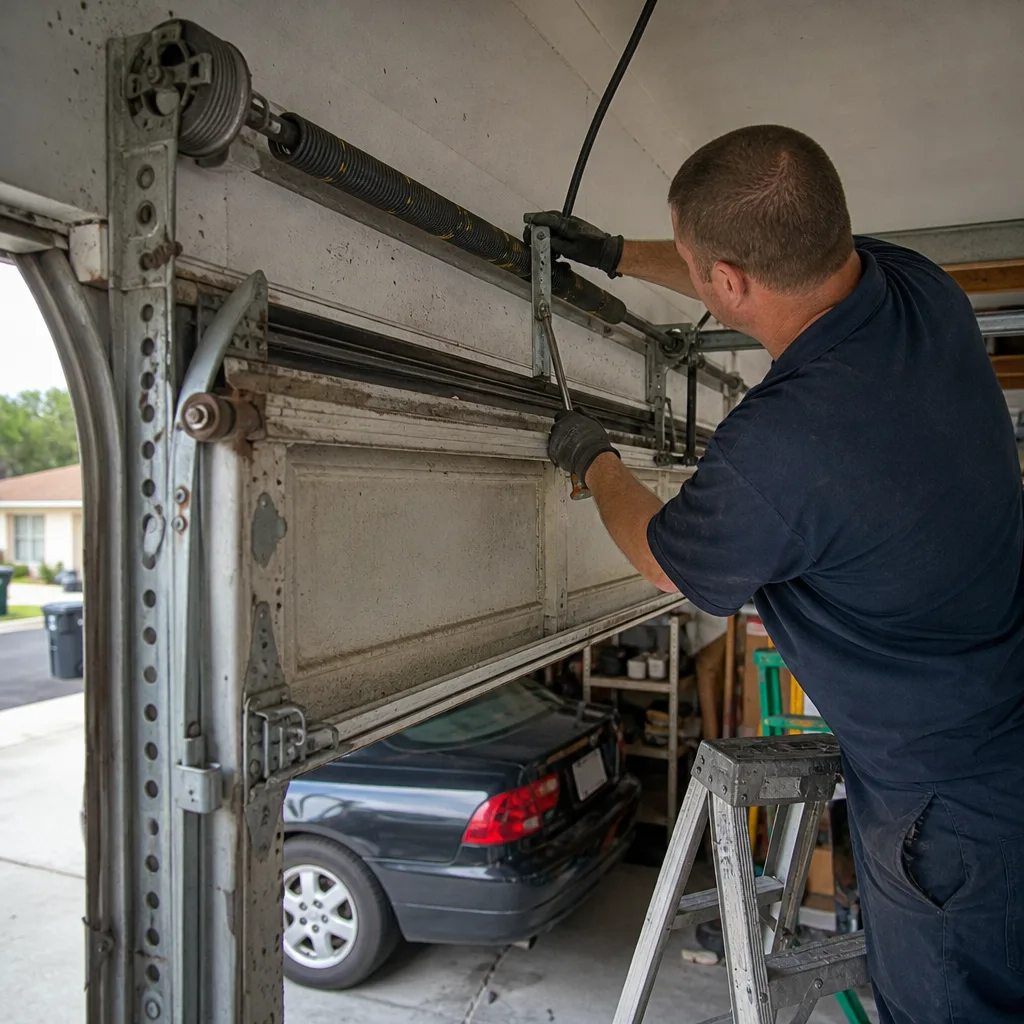 Before
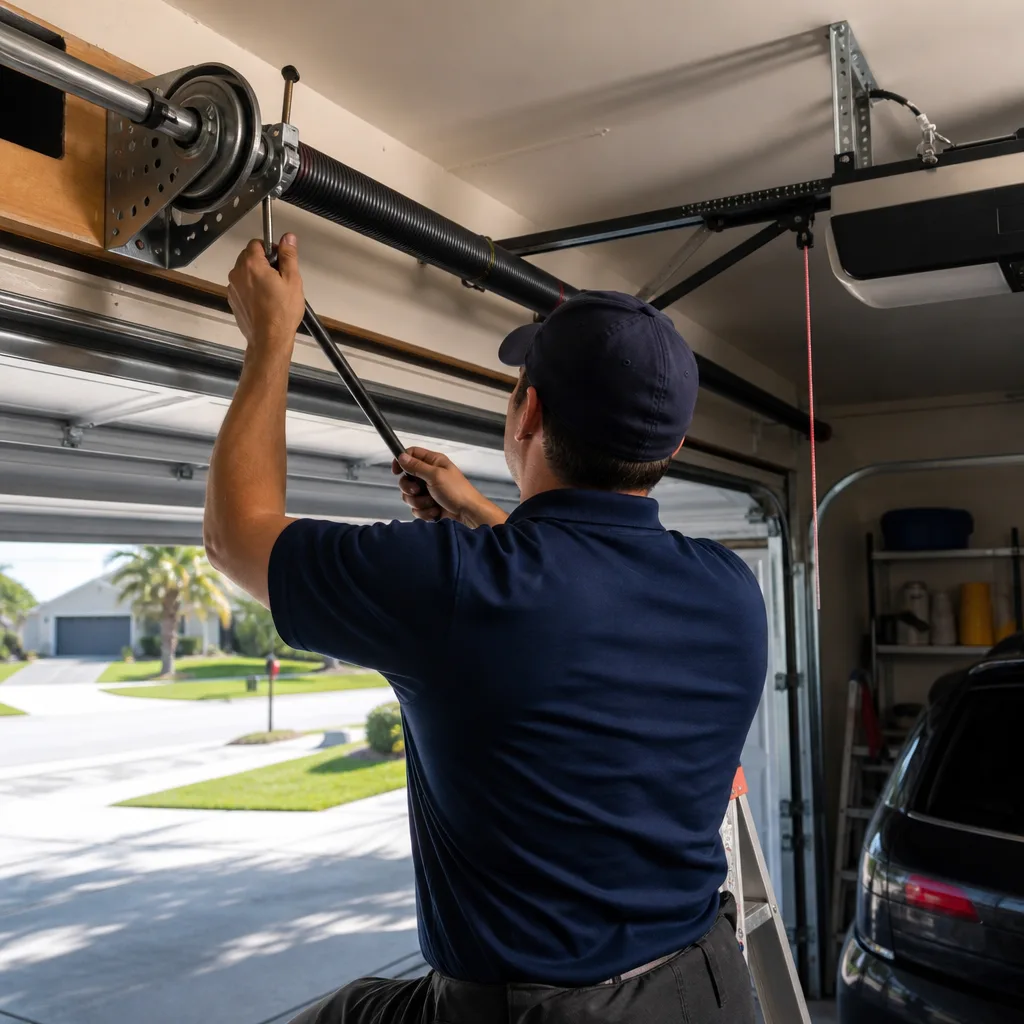 After
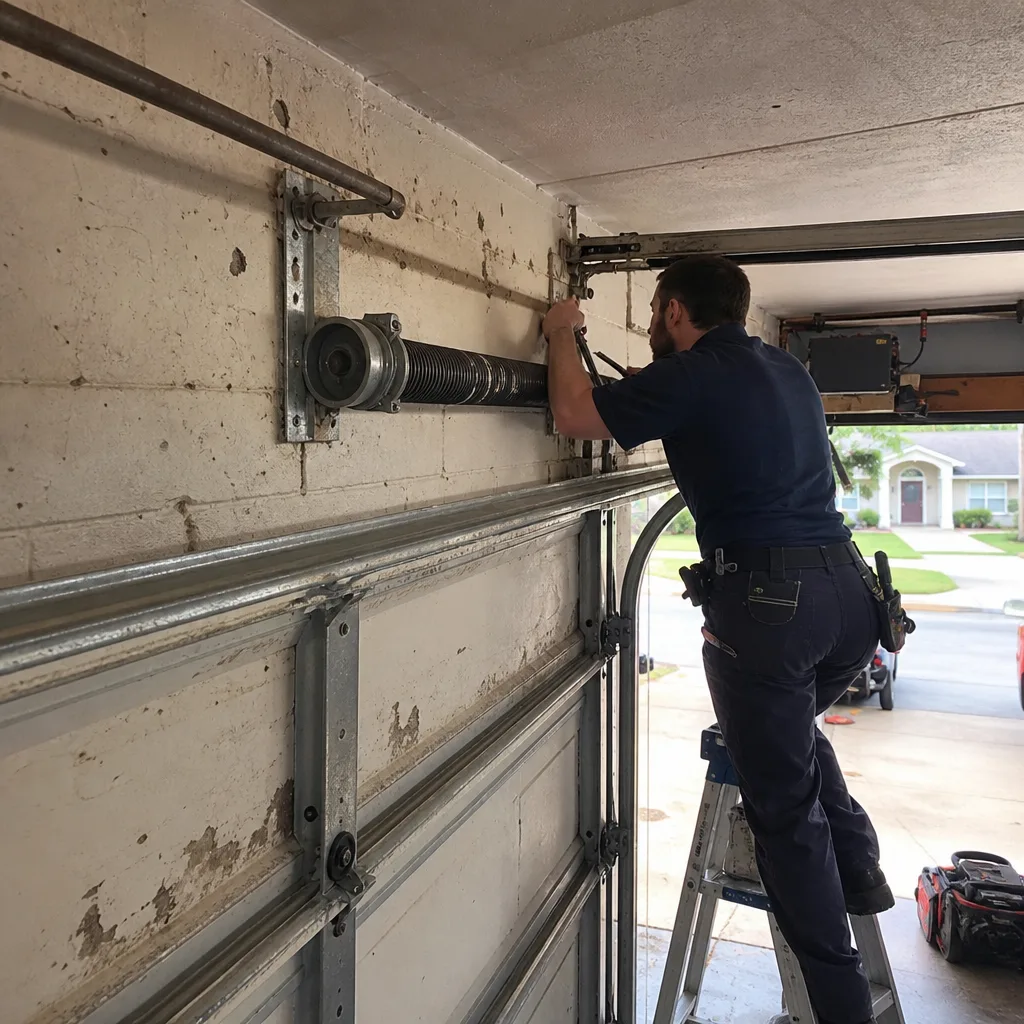 Before
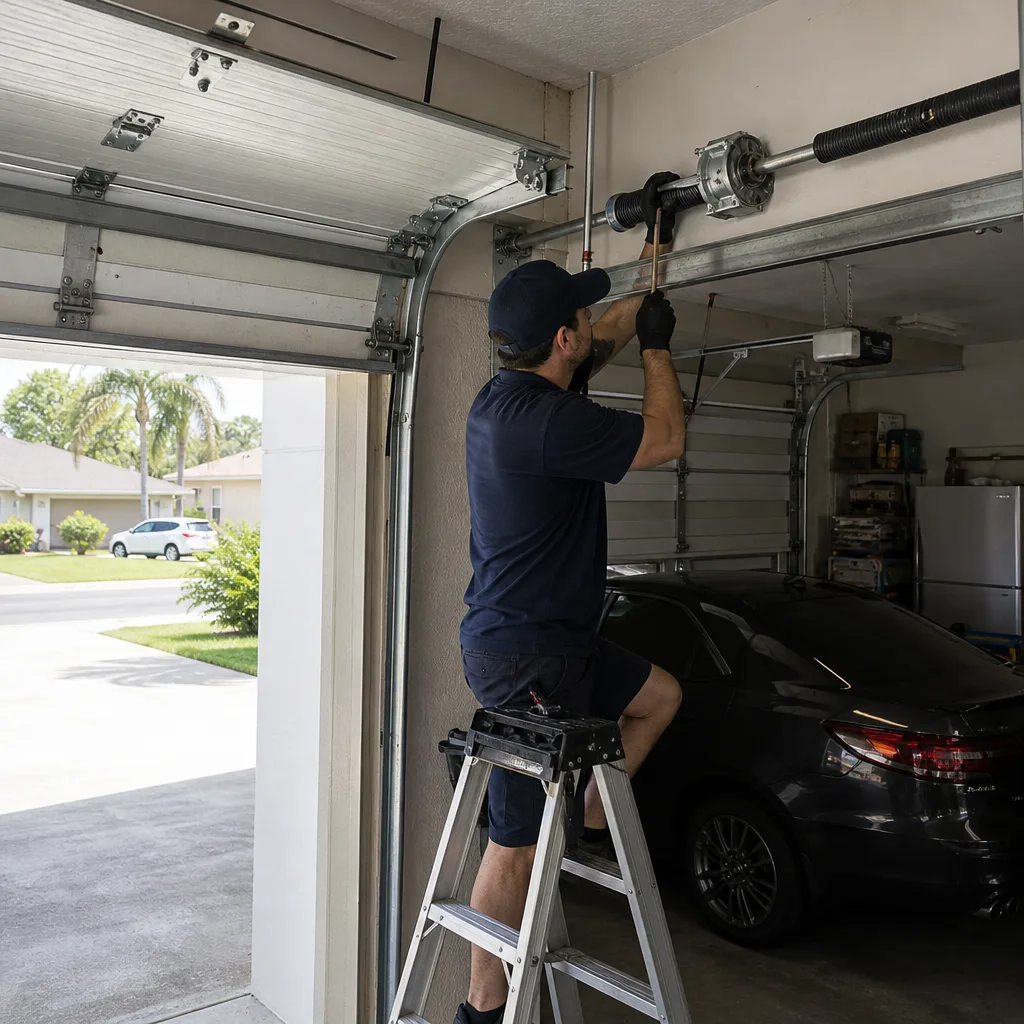 After
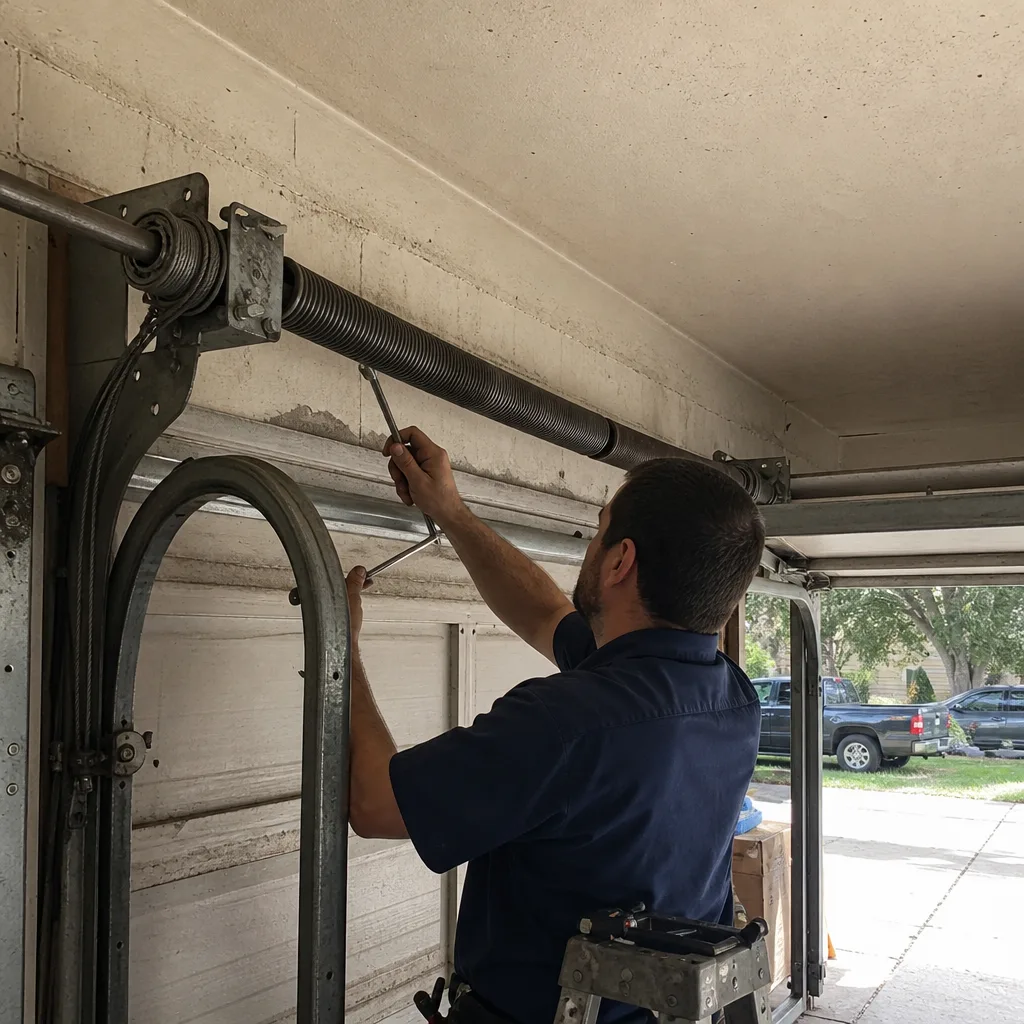 Before
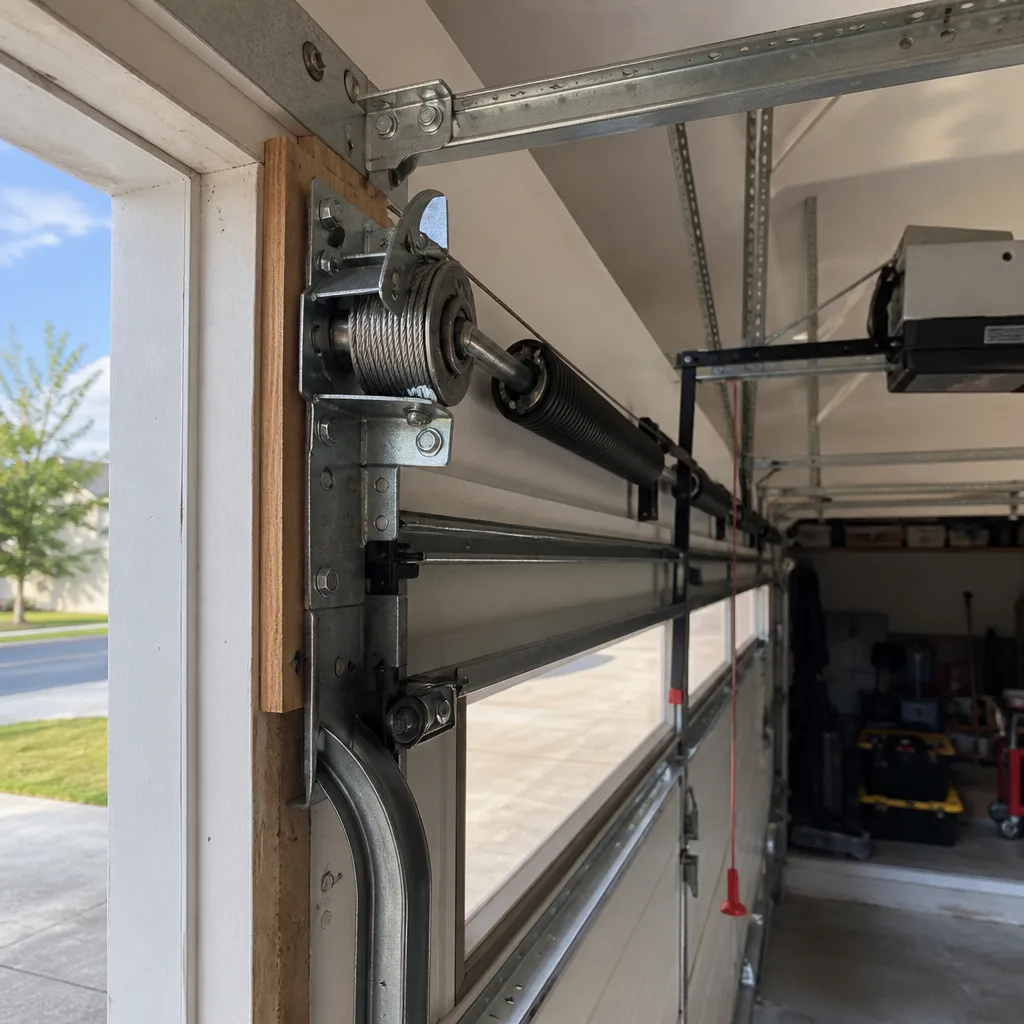 After